
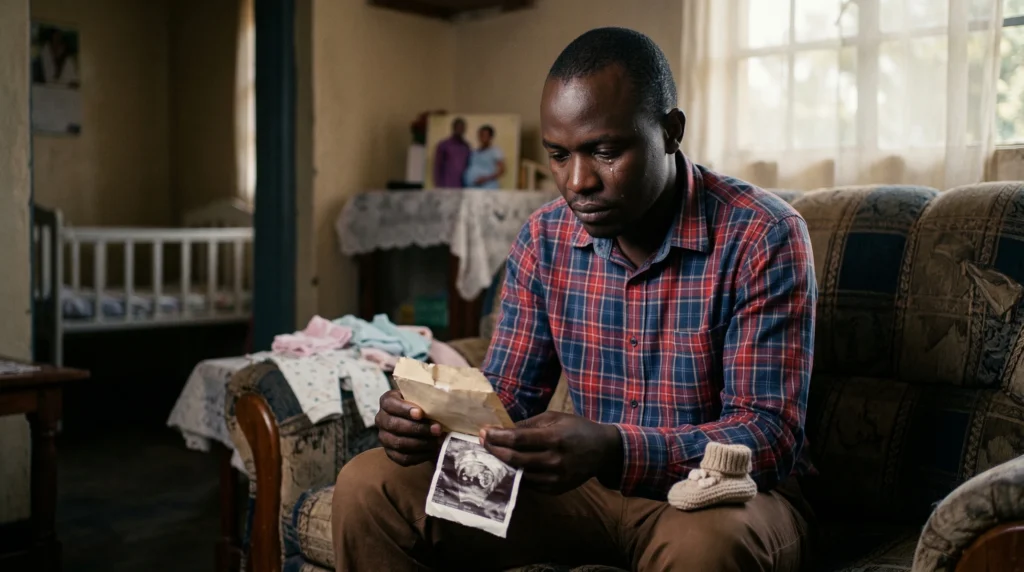
When Dreams End Before They Begin: The Silent Grief of Fathers
MKIUGYFD The loss of a child at birth is a heartbreak that touches every corner of a family, yet one story is rarely told: the story of fathers. While mothers’ grief is often visible, fathers endure a silent, private sorrow that carries its own weight a mix of fear, responsibility, and heartbreak that is seldom acknowledged. Their journey is often quiet, invisible, but no less profound. The Fear That Lingers From the earliest moments of pregnancy, fathers can feel a constant undercurrent of fear. They worry for the child’s health, for the mother’s safety, and in the worst-case scenarios, fear the unimaginable losing both. Each contraction, each hospital visit, can feel like standing on the edge of a precipice, anticipating disaster. Yet, in a world that expects men to remain strong, these fears are often hidden behind calm expressions and steady hands. Many fathers carry the anxiety silently, believing that sharing it might only worsen the situation or add to their partner’s burden. The Weight of Responsibility Grief for fathers is often accompanied by an immense sense of responsibility. They are expected to provide emotional support to their partner, manage logistical and financial concerns, and maintain a semblance of normalcy for family and society. In trying to hold everything together, fathers often suppress their own pain, pushing it aside to focus on the needs of others. This balancing act between their private heartbreak and outward composure can be exhausting, leaving them emotionally drained and lonely, even in the presence of others. The Invisible Grief Unlike mothers, fathers’ grief is rarely recognized. Society often overlooks the depth of their sorrow, expecting them to “stay strong” and “be the rock.” Yet inside, fathers may wrestle with sadness, guilt, anger, and helplessness. They question whether they could have done more, if they could have prevented the loss, and struggle with feelings of inadequacy. The result is a profound, invisible suffering that can intensify feelings of isolation, as their grief is neither openly expressed nor socially validated. Coping in Silence Fathers find ways to cope, often in solitude. Some immerse themselves in work or practical responsibilities, channeling their emotions into action. Others create personal rituals like planting a tree, writing letters to their child, or setting aside private moments of remembrance. Seeking advice from peers who have experienced similar losses can help, as can professional counseling or support groups, though these are less frequently accessed by fathers. In many cases, coping is a private journey, a quiet endurance that allows them to carry both their grief and the family forward. The Need for Recognition Fathers’ grief deserves acknowledgment. Their pain is real, layered, and profound, yet it is often ignored or minimized. Recognizing and validating fathers’ experiences allows them to process their loss, express their emotions safely, and begin healing. When families, healthcare providers, and society create space for fathers to grieve, it not only honors their sorrow but strengthens the support system for the entire family. Fathers do grieve, deeply and silently, and their heartbreak deserves to be seen, held, and understood.
When Dreams End Before They Begin: The Silent Grief of Fathers Read Post »